


China commits $17bn US farm imports as trade ties ease
 Rabbia Zafar
|
16 minutes ago
Rabbia Zafar
|
16 minutes ago
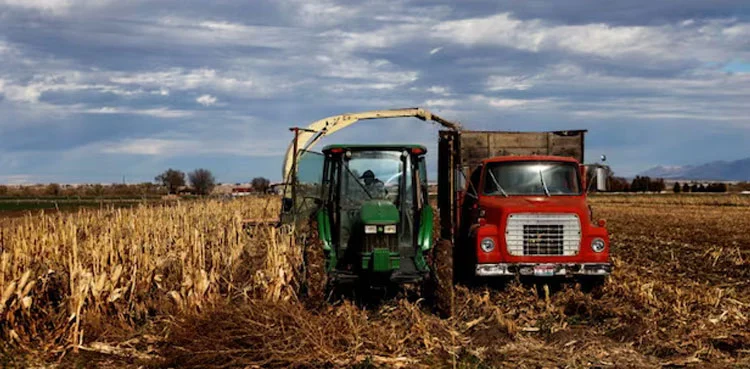
China has pledged to purchase at least $17 billion worth of US agricultural products between 2026 and 2028, according to a White House fact sheet released on Sunday, marking a significant development in ongoing efforts to stabilise trade relations between the world’s two largest economies.
The commitment was made during recent meetings between US President Donald Trump and Chinese President Xi Jinping, the White House said. Officials clarified that the $17 billion figure does not include earlier soybean purchase agreements made by China in October 2025.
US agricultural exports to China have seen a sharp decline in recent years following tariff disputes and retaliatory trade measures. According to data from the US Department of Agriculture, exports fell by 65.7 percent year-on-year to $8.4 billion in 2025, reflecting reduced demand and shifting supply chains.
https://365news.pk/oil-prices-rise-us-iran-tensions-market-surge-report/
China has significantly diversified its agricultural imports since Trump’s first term in office. In 2024, US soybeans accounted for roughly 20 percent of China’s imports, down from 41 percent in 2016, highlighting Beijing’s effort to reduce reliance on American farm goods.
As part of the broader understanding, the White House also said China will work with US regulators to lift suspensions on American beef processing facilities and resume poultry imports from US states declared free of avian influenza. These steps are expected to help restore market access for US exporters.
In addition, both sides agreed in principle to establish a US-China Board of Trade and a US-China Board of Investment. These platforms are intended to address market access concerns, particularly in agriculture, and to support a “reciprocal tariff-reduction framework,” according to Chinese Foreign Minister Wang Yi.
The developments signal a cautious thaw in trade tensions, though analysts note that structural differences and past tariff disputes continue to influence bilateral economic relations. Further negotiations are expected to determine how quickly commitments translate into actual trade flows.

Sukkur police act against illegal jirga ordering “vani” and murder
Oil prices surge as Iran-US tensions and Gulf security fears escalate
China commits $17bn US farm imports as trade ties ease
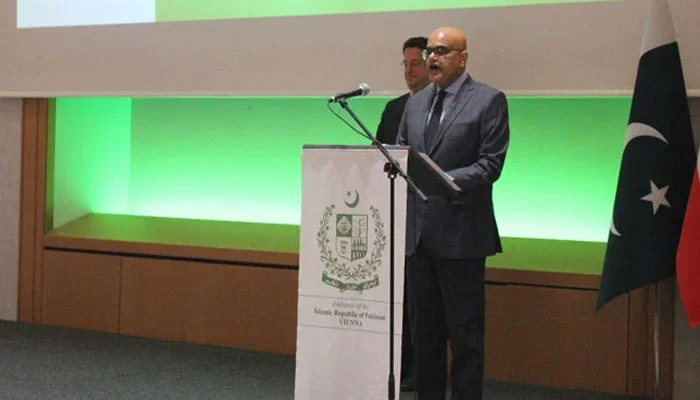
Pakistani diaspora event in Vienna marks first anniversary of “Marka-e-Haq”
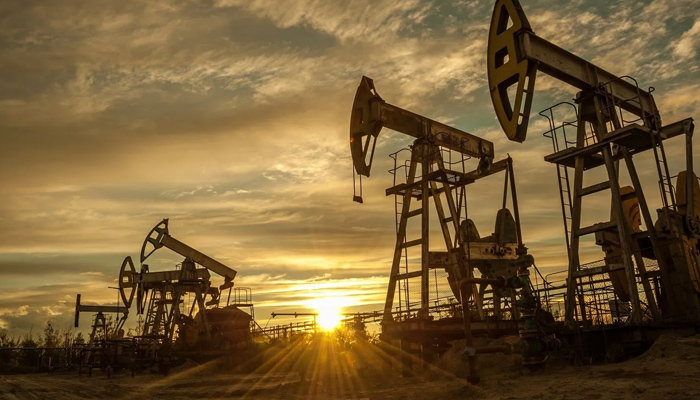
Oil prices rise again as US-Iran tensions fuel market uncertainty
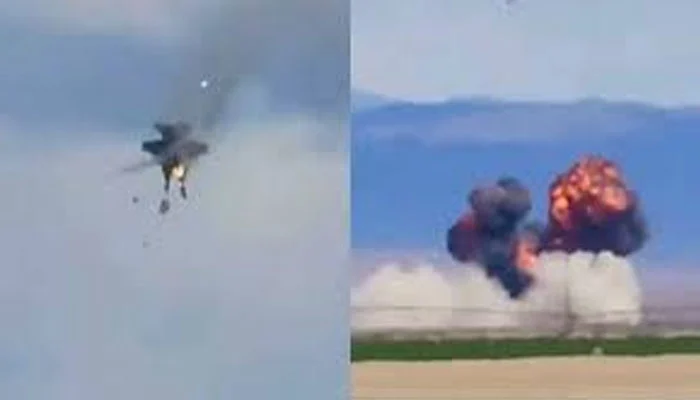
Mid-air collision at Idaho air show prompts investigation

2 minutes ago

10 minutes ago

16 minutes ago

24 minutes ago
36 minutes ago
43 minutes ago
- Global oil prices extended their upward momentum on Monday as escalating tensions between the United States and Iran, along with…
- China has pledged to purchase at least $17 billion worth of US agricultural products between 2026 and 2028, according to…
- Global oil prices have surged once again amid renewed concerns over rising tensions between the United States and Iran, which…
- Two aircraft collided during an air show in the U.S. state of Idaho, triggering an emergency response and an immediate…
 A major shift in medical terminology has been announced for Polycystic Ovarian Syndrome (PCOS), a common hormonal disorder affecting millions…
 Health authorities are working to contain a potential international spread of hantavirus after new suspected cases emerged across multiple countries,…
 The Indus Hospital, located in Karachi’s Korangi area, has earned widespread recognition for providing free and quality healthcare services to…
- The Healthcare Devices Association of Pakistan (HDAP) has raised serious concerns over the continued presence of banned reusable syringes in…


- An illegal jirga held in Sukkur has come under police…2 minutes ago
- Global oil prices extended their upward momentum on Monday as…10 minutes ago
- China has pledged to purchase at least $17 billion worth…16 minutes ago
- A celebratory and emotionally charged ceremony was held in Vienna…24 minutes ago